
Lake Titicaca: Uros Floating Islands & Taquile Island Experience
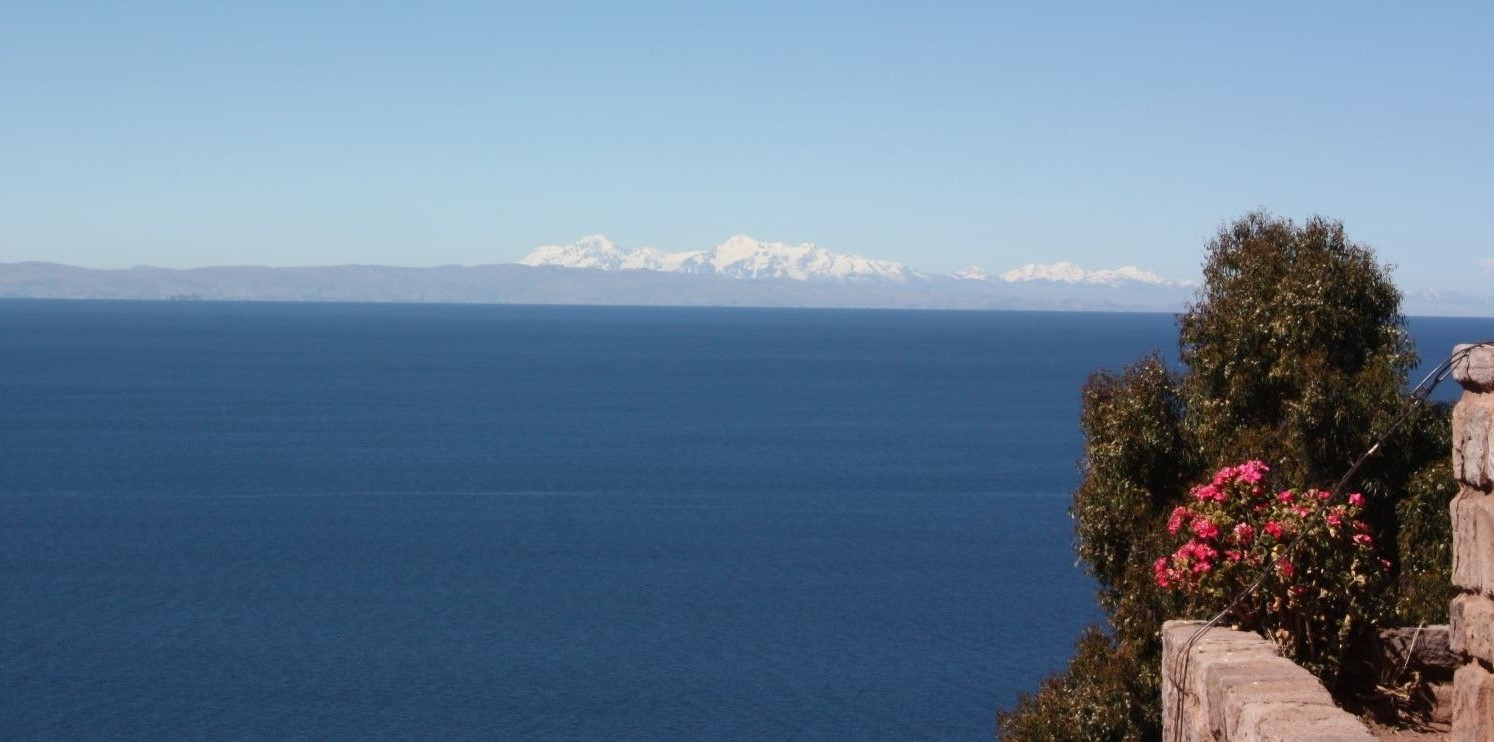
What if you could step onto an island that actually floats? On Lake Titicaca, the Uros people have built entire communities on handcrafted reed islands. Nearby, Taquile Islannd set on the merging waters of Peru and Bolivia, offers stunning views of Lake Titicaca as the lake stretches across the international border and preserves centuries-old traditions high above the shimmering waters.
Here, come join us as we share our incredible experience exploring the Uros floating islands and Taquile Island, discovering their unique way of life, rich traditions, and the unforgettable beauty of Lake Titicaca.
Lake Titicaca – A Sacred Experience
Lake Titicaca holds deep spiritual significance for indigenous Andean communities. They are said to be in touch with the spirit of Mama Qota, or Sacred Mother, and believe that powerful spirits live deep inside the lake. According to Andean people, Lake Titicaca was the birthplace of the Inca civilization. Viracocha, the creator deity, lightened a dark world by having the sun, moon, and stars rise from the lake to occupy their places in the sky.
Today, it is also a popular tourist destination, attracting travellers from around the world to explore its unique islands and rich cultural heritage.

Blue Planet Travellers
Lake Titicaca
Lake Titicaca, is the highest navigable lake in the world and offers a beautiful sight. Its deep blue waters seemingly extend forever across the altiplano, at an elevation of about 3820m. The lake covers more than 8500 square kms, and is approx 176km long and 50km wide.

Blue Planet Travellers
Sailing Lake Titicaca to Uros Island

Blue Planet Travellers
Totora reeds growing on Lake Titicaca
Uros Floating Islands (Islas Uros)
We started our journey with a 30-minute boat ride from the pier at Puno to the Uros floating islands.
These Uros Islands have a unique civilization of people living on islands made of knitted totora reeds. These islands float on Lake Titicaca, making them a remarkable man-made community on the water. There are around 70 to 80 islands, all handmade and maintained by the people of the island themselves. It’s a kind of a hand-built archipelago.

Blue Planet Travellers
Uros floating Island

Blue Planet Travellers
Sitting on woven totora reeds
There are no trees on the island and everything from houses to boats on this island is built using these totora reeds.
It is said the inhabitants fled from the mainland to escape from the Inca in the 13th Century and found their refuge on these handmade islands.
We learnt that the population used to live from fishing and nowadays both from fishing and tourism. Taking into account the altitude and the cold of this region, one can imagine the harsh life these people live here.
The island we visited had 15 houses. The island head greeted us and explained how the island is built.

Blue Planet Travellers
Learning how Uros Island is engineered.

Blue Planet Travellers
Floating school on Uros island
It was fascinating to learn that they have impressive engineering to monitor the condition of the reeds at the bottom of the island. They have a hole in the island through which they send indicators to check the reed’s condition. Once the reeds at the base start to rot, which happens every 2 to 3 weeks, the Uros islanders replace the top layers with fresh totora reeds (and knit them together with the existing ones) to keep the island afloat and safe from sinking.

Blue Planet Travellers
Comfortable seating on totora boat

Blue Planet Travellers
Wearing traditional Uros Island attire
We also learned that these totora reeds grow abundantly on Lake Titicaca and are edible. We were given some samples to taste. The reeds looked like capillary tubes, and honestly, they tasted a lot like celery. It is said that totora reeds can help prevent knee-related issues, which is very useful for the islanders since they climb up and down the Andes mountains several times a day for their livelihood.
We saw the women on the island dressed in colorful costumes, and each tourist was given one to wear. I tried on one and was surprised at how heavy the costume felt. We were invited inside their house to see their way of life, and we noticed that everything inside is made of totora reeds even the toilets. They had desks and chairs, all constructed entirely from these reeds.
Now we had the opportunity to take a ride on their boats. The boats featured two figures representing a puma, with its head at the front. The puma is a sacred animal for the people of Uros Island. Oh, and once again, these boats were also made entirely of totora reeds. As soon as we sat on the boat, the women of the island, dressed in their colorful costumes, began singing, it was a truly unique and fascinating experience.
The boat took us to the floating school, the floating hospital, and other interesting parts of Uros Island. We were amazed to learn that the school is fully functional, where they teach the local language Aymara, as well as Spanish and French. The hospital, also self-built, is fully operational. We even noticed several resorts built on the floating islands in the middle of Lake Titicaca.

Blue Planet Travellers
Hand made totora boats

Blue Planet Travellers
The women of Uros Island helping to dock our boat
We then returned to the island where we had started the boat ride, and once again, the women of the island, dressed in their colorful costumes, greeted us. They sang beautiful songs while pulling the boat to the dock. The boat was filled with several people, so pulling it ashore was no easy task. It was truly overwhelming to see how they take joy in even the hardest work.
Some places always leave a lasting impression on us while travelling, and this was one of them. Despite the harsh conditions, the people of Uros Island were very welcoming, and we truly enjoyed our visit.
Taquile Island Hike
We then continued with a 2.0 hour boat ride on Lake Titicaca to Taquile Island.

Blue Planet Travellers
View along the trail – Taquile Island

Blue Planet Travellers
The rock steps on Taquile Island
Taquile, whose Quechua name some believe was Intika, was part of the Inca Empire and has a number of Inca ruins. The island was one of the last locations in Peru to capitulate to Spanish domination during the Spanish conquest of Peru. It was captured for Carlo V and eventually passed to Count Rodrigo of Taquila, who inspired the island’s current name. The Spanish forbade traditional dress and the islanders adopted the Spanish peasant dress that they are known for still using today, which they combine with extraordinarily finely-made Andean-style garments (ponchos, chumpi(belts), mantles, coca-leaf purses, and others).
To fully appreciate the vastness and beauty of Lake Titicaca, we had to climb to the top of Taquile Island. When we disembarked from our boats, we noticed that there wasn’t much flat surface on the island. It is essentially a hilly island, if I had to describe it properly.
It was already midday in July, and the sun made it very hot. But we walked along the trail used by the people living on the island. The path was cleared of weeds and rocks, and had stone steps so the main challenges were the steep altitude and the heat. The island sits at approximately 3,950 to 4,050 meters above sea level, while Lake Titicaca is at 3,810 meters. This meant we had to climb roughly 150 meters to reach the top of the island, ascending a staircase of about 500 steps, a short and relatively easy walk. Along the way, we saw several trees blooming with pink flowers. It added to the beauty of the place.

Entrance to Taquile Island

Pink flowers along the way
We were almost there, and at that point, the aerial view of Lake Titicaca was breathtaking. The vast, deep blue water shimmered in the sunlight, and the calmness of the place was mesmerizing. Once we reached the top, we passed through an arch entrance to the island, from where the view was stunning, and was a perfect spot to take some pictures.
Once we reached the top, the panoramic view of Lake Titicaca was breathtaking. The deep blue water stretched endlessly, with the mountains of Bolivia visible in the distance.
Another interesting fact about Lake Titicaca is that it cuts through the international border between Peru and Bolivia. Taquile Island is only about 10 to 15 kilometers from Bolivia, and the mountains there could be seen on the horizon. The snow-covered peaks in the distance, at the far end of the lake, made the scenery absolutely incredible.
We roamed around the island, and some little girls from the island ran up to us and tied colorful bracelets on Varun’s wrist. Varun was happy to receive them. We didn’t know how much the bracelets cost, so we gave them a $10 bill, thanked them, and continued on our way.

Blue Planet Travellers
Lake Titicaca and the Bolivian mountains

Blue Planet Travellers
Lake Titicaca view from Taquile Island
We saw some handicrafts made by the people of the island and did some souvenir shopping. The vibrant blankets, touques, and textiles from Taquile Island are all handmade, known for their rich colors and intricate patterns that reflect the island’s culture and traditions.
Later, it was time for lunch, and since there weren’t many restaurants, we picked one with a beautiful view. We had some quinoa soup and bread while enjoying the scenery, quinoa being a staple food in the Andes.
At that time, one of the little girls who had given Varun a bracelet came back, excited to see us, and called the other girls over. We wondered what was happening. It turned out the bracelets were only $1 each, and they had gone looking for us to give back the change. They must have walked for over half an hour, probably covering more than a kilometer in search of us.

Blue Planet Travellers
Little girls of Taquile island

Blue Planet Travellers
The quinoa soup!!!
To reward their honesty, Varun decided to give some of his toys to the girls. They were thrilled and excited, carefully examining the toys. This had nothing to do with money, it was just a pure, soulful connection. The girls then ran off to show the toys to their friends, beaming with happiness.
After enjoying lunch and the stunning aerial view of Lake Titicaca, with the Bolivian mountains in the background, it was time for us to leave the island. We walked down the island and got back into our boat for the 2.5 hour ride back to Puno.
It had been a long day, and we barely had the energy to explore Puno, all we felt like doing was resting.
A Truly Unique Experience
Visiting Lake Titicaca and its islands was one of the most unique experiences of our journey. We highly recommend visiting both the Uros Floating Islands and Taquile Island are truly must-see destinations when you are in Peru.
Continue to Cusco – Complete Itinerary & Tips
After exploring Puno and Lake Titicaca, many travellers continue onward to Cusco. If you want to see the best of Cusco, including the Sacred Valley, city highlights, and travel tips, check out our three-day Cusco itinerary.
Where to stay
A tip before choosing your stay: The Floating Islands of Lake Titicaca offer charming resorts with stunning views and a truly unique experience. Staying on the islands can feel a little dizzy at first, especially at around 4,000 meters above sea level in the Andes. For those sensitive to altitude or movement, several hotels and resorts along the shore provide a comfortable alternative.
Recommended Hotels
- Conde de Lemos Hotel (Where we stayed)
- The location was great in the middle of the town. The rooms were big and the hotel is just behind the historic buildings in town.
- Titicaca Origins Peru This is a wonderful hotel right on the Uros floating island. They provide free airport transfers. What other way to experience being on a floating island.
Tours We Recommend
- Discover Lake Titicaca’s magic on a day trip to the Uros Floating Islands and Taquile. Explore local life, traditions, and culture while gliding across the world’s highest navigable lake, complete with music, dance, and breathtaking scenery.
- Full day trip to Lake Titicaca, the Uros and Taquile Islands
- Paddle across the stunning Lake Titicaca on a kayak tour starting in Puno, the highest navigable lake in the world.
- Kayaking at Uros Floating Islands and Taquile Island Tour
Tips and FAQ
Best time to visit
The best time to visit Machu Picchu is May to October, with June and July being peak months for good visibility. You can easily align a Lake Titicaca trip with this period. We went in July and enjoyed great views, full water levels, and blooming flowers on the islands, although it was quite hot.
Boat Rides
When booking a tour, choose a boat where you can sit outside. This lets you fully enjoy the stunning views of Lake Titicaca.
Altitude Awareness
The lake sits at around 4,000 meters above sea leavel in the Andes, so some visitors may feel dizzy or light-headed. Stay hydrated and keep your medication handy.
Hiking on Taquile Island
Wear proper shoes for hiking as the trails can be steep and uneven. Bring enough water, as you may need it while exploring the island.
Plan for Hot Weather
Most travellers visiting Peru align their trip with Machu Picchu. If visiting between June and September Puno and Lake Titicaca will be very hot. Be prepared for it!
Leave a Reply