
Japan 2 Week Itinerary & Travel Guide for First-Time Visitors
This post includes:
Our Other Japan Posts:

Tokyo Skytree
What to Expect In Japan
If you are travelling to have a break from work, escape a monotonous life, spend time with family, or simply be away from home for a while, Japan might be the right choice. But Japan is not a regular vacation spot where you visit a few places, hike a few trails, take pictures of world-famous attractions, and move on to the next destination. Japan is different.
Japan is where you go when you want to slow down, feel grounded, and experience a place rather than simply see it. Of course, there are small hikes, beautiful landscapes, and famous landmarks that are absolutely worth visiting. But Japan is, for the most part, about connecting with yourself and experiencing the little things, the quiet streets, the food, the rituals, the people, the changing seasons, and the feeling of simply being somewhere completely different.
Perhaps this is why you will hear so many travellers talk about wanting to return to Japan again and again, while others may come away feeling that Japan is overrated. Both experiences are possible. The difference may simply be in how you approach the journey. So, go with an open mind and allow yourself to experience Japan differently from the way you might experience other destinations.

Blue Planet Travellers
Yoshiki-en garden – Nara

Blue Planet Travellers
Sannenzaka walking street – Kyoto
If you’re planning a trip to Japan and wondering where to start, this itinerary is designed to help you experience the highlights without feeling like you’re constantly rushing from one place to another. Here’s how I’d plan a memorable Japan trip, including where to go, what to see, and how to make the most of your time along the way.
Having travelled to around 50 countries now, and having heard so much about Japan before we went, we thought we had a fairly good idea of what to expect. But Japan still managed to surprise us, especially in the way we travelled through the country. It didn’t take us long to realise that Japan was not a place to simply move from one destination to another, ticking places off a list. Soon, we learnt to experience Japan rather than just travel through it. And that, perhaps, was the biggest takeaway from our trip. We hope this post gives you some insight into what to expect, how to approach your trip, and, most importantly, how to experience Japan in your own way.

Blue Planet Travellers
Arashiyama bamboo forest – kyoto

Blue Planet Travellers
flower-covered pergolas everywhere in Japan
Why You Should Avoid Taxis/Uber in Japan
Before our trip, we read quite a few travel blogs and itineraries about Japan, and one piece of advice kept coming up again and again not to take a taxi/Uber. But we couldn’t find out why. When you are planning your first trip to Japan, you naturally wonder, if taxi/Uber services are available, why shouldn’t I use them? Are they unreliable? Are they expensive? Is there a better alternative?
After travelling through Japan ourselves, we now understand why so many travellers give this advice, and we feel it is something worth explaining.
Yes, taxis and Uber are available in Japan. But based on our experience, we would strongly recommend not treating them as a normal transportation option during your trip.
We learnt this the hard way.
On one particular journey, we travelled from one place to another and the fare was around $50 (Uber estimate was $20). When we made the return journey from the same place back to where we had started, we expected the cost to be reasonably similar. Instead, the Uber estimate again showed around $20, but by the time we reached our destination, we were charged approximately $120.
That was a huge difference for essentially the same journey in the opposite direction.
We had another experience that made us even more cautious. On a different taxi/Uber ride, the driver apparently felt that he had already driven far enough for the amount that had been quoted. He told us that, according to the map, this was our destination and that he would only drop us there. He literally left us in the middle of a busy road, and we had to figure out how to continue from there ourselves.

Blue Planet Travellers
Kinkakuji – Golden Pavillion – Kyoto
During our trip, whenever we had to rely on a taxi/Uber, the experience was not normal. This is why, after experiencing Japan for ourselves, we came to a very simple conclusion:
In Japan, plan to walk or use public transportation. Treat taxi/Uber as an absolute last resort, rather than as an option you can depend on.
After travelling through Japan ourselves, we now understand why this advice comes up so often, and we feel it is something worth explaining. We would have appreciated knowing this before we arrived, and we don’t want someone planning their Japan trip to rely on taxi/Uber services.
They do exist, but in our experience, they are not really an option you should build your itinerary around.
Japan’s public transportation system is extensive and reliable, and walking is going to be a much bigger part of your trip than you may initially expect. In fact, this is one of the reasons you need to be careful when planning your itinerary. A place that looks only a kilometre away on the map may involve walking to a station, taking a train, walking again from the station, and then exploring a large temple, shrine, garden, or neighbourhood on foot.
It may sound like more effort, but this is simply how you should plan for Japan.

Blue Planet Travellers
Trains In Japan
The Shinkansen, Japan’s famous high-speed bullet trains, make long-distance travel even more memorable. Reaching speeds of over 300 km/h, they are incredibly fast, but the journey itself is part of the experience. Many routes pass through beautiful landscapes, so sitting by the window and watching the Japanese countryside go by becomes part of the fun.
Before our trip, we found an overwhelming amount of information about Japan’s train system, with countless lines, train names, and route options. It can feel complicated at first, but our advice is simple: don’t spend too much time trying to memorize train lines. For most visitors, all you really need to know is that Shinkansen trains are used for longer-distance travel, while local trains connect cities, attractions, and stations.
The main thing to know before your trip is that Shinkansen journeys are the trains you’ll want to book in advance, especially for popular routes and busy travel periods. For most local trains and subway rides, you don’t need to buy a ticket each time. Simply use an IC card such as Suica and tap in and out as you travel.
SmartEX is the official online service for booking Shinkansen tickets, and it’s a convenient option if you want to reserve your long-distance bullet train journeys in advance.
Once you’re in Japan, Google Maps with the public transit option makes getting around much easier. It tells you which local train to take, where to change, and how to get to your destination, so you don’t need to figure out the entire train system before your trip.
We travelled on more than a hundred local trains during our time in Japan, and surprisingly, we never found them uncomfortably crowded. Even when seats were full and we had to stand, there were usually only a few other passengers standing nearby. The experience was always orderly, efficient, and comfortable.
Before You Arrive in Japan: Immigration & Arrival Forms
Immigration in Japan can easily take up to two hours to get through immigration. Thankfully, there’s a simple way to save yourself a lot of time.
Before your trip, fill out the Visit Japan Web arrival form online. Its a lengthy form and you need to register with an userid and pssword. Once you’re finished, you’ll receive a QR code that you’ll simply scan when you arrive.During our trip, this made the immigration process much quicker.
Technically, you can complete the paper form while standing in line, but we wouldn’t recommend it. As the form is fairly long,
and immigration officers have to manually enter all of that information into their system, which slows everything down not just for you but for everyone waiting in line. Filling it out online before your flight or before you leave is much easier and helps you avoid unnecessary delays.
We recommend you create your account ahead of time and update your information whenever you need to. If anything changes before your trip, simply edit your details and generate a new QR code. You can edit the form multiple times and generate a new QR code after each update.
You can complete the arrival form for Japan here.

Blue Planet Travellers
Cherry Blossoms in Maruyama Park – Sapporo
What Are IC Cards And Why We Need Them To Travel Within Japan
Once you’re at the airport, one of the first things you’ll want to do is buy an IC card. Think of it as Japan’s version of a prepaid card, except it’s useful for much more than just trains.
You can use them almost everywhere, on trains, buses, at convenience stores, grocery stores, taxis, and even at some attractions.
Using it is incredibly simple. Just tap your card when entering the train station and tap it again when you leave. The system automatically calculates your fare based on how far you’ve travelled.

Blue Planet Travellers
Lanterns at Kasuga Taisha Shrine – Kyoto
Which IC Card Should You Buy?
When we started researching Japan, we found there were several different IC cards available. Honestly, it was a little confusing at first.
After doing our research, and after actually using one during our trip, we’d simply recommend buying the Standard Suica Card from the JR East ticket machines at Narita Airport.
That’s exactly what we did, and it worked everywhere we travelled, including Tokyo, Kyoto, Osaka, and Sapporo. Recharging it was easy too, We were able to recharge them at convenience stores like 7-Eleven, Family Mart etc..
Another bonus is that when you’re leaving Japan, you can get a refund for any unused balance remaining on the card. Just remember that you’ll still need the card to get back to the airport, so don’t return it too early.
We loaded 10,000 yen (approx $65) onto each card when we first bought them, which is the maximum amount you can load at one time. Depending on how much you use public transportation and make purchases with your IC card, you’ll likely need to recharge it throughout your trip. Fortunately, reloading your card is quick and easy at train stations and convenience stores.
One day, we forgot to check the balance on our Suica card, and when we tried to leave the train station, the ticket gate wouldn’t open because we didn’t have enough funds to tap out. At first, we thought we were stuck, but then we noticed recharge machines conveniently located inside the station near the exit. We topped up the card in just a couple of minutes, tapped it again at the gate, and were on our way. So if this ever happens to you, don’t panic, every station has recharge machines, making it a quick and easy fix.
Note: One thing we’d skip is the Welcome Suica card. While it works the same way during your trip, any money left on the Welcome Suice Card when you leave Japan isn’t refundable. Since the Standard Suica does allow refunds, we think it’s the better choice.
Note: If you’re travelling as a family, make sure everyone, including children, has their own card. Every passenger needs to tap in and tap out individually, and having separate cards makes using trains and buying Shinkansen tickets much smoother.

Kiyomizu dera temple in Kyoto
Don’t Make Your Itinerary Too Rigid
There are a lot of shrines, temples, gardens, and other attractions that you may want to visit in each destination in Japan. The reason most travellers add so many to their list is because, when you look at the map, many of these places appear to be just a kilometre or two away from each other. You may also have seen travellers return from Japan saying they couldn’t visit everything they had planned. You may be wondering, There are only 10 attractions, I have a full day, and most of them are just a kilometre or two apart. How could I possibly miss some?
We wondered the same thing before our trip.
The main reason is that the distance on the map does not tell you how much time you will actually spend getting around and experiencing each place.
Japan’s public transportation system is extensive and reliable, but walking is going to be a much bigger part of your trip than you may initially expect. You may have to walk from your hotel to the railway station, take a train, and then walk again from the station to your first attraction. Once you arrive, you may spend considerable time walking around the attraction itself.
A shrine, temple, or garden is rarely just one building that you walk into, take a few pictures of, and leave. Many of these places cover large areas with beautiful gardens, pathways, ponds, flowers, smaller structures, hills, mountains and viewpoints. You may want to stop and enjoy the scenery, take photographs, or simply spend some quiet time there.

Blue Planet Travellers
Cherry Blossoms in Osaka
You may also have to wait in line for a goshuin, to light incense, make an offering, enter a popular area, or buy something from the souvenir shop. Some places also involve walking uphill or climbing a small hill to reach a viewpoint. Each of these things may only take a few minutes, but together they add up quickly.
And not everything will actually be a kilometre away. Some attractions may be several kilometres apart, which means another train journey and more walking to and from the stations. Whether you walk or take the train, every transfer takes time.
We also found that Japan’s sightseeing hours are something you need to keep in mind when planning your days. Many temples, shrines, gardens, and other attractions close around 4:00 or 5:00 PM. You cannot always assume that you can leave sightseeing until later in the afternoon and still have enough time to visit everything.
Even the evenings have their own timings. Many shops and restaurants along popular walking streets and neighbourhoods may start closing around 8:00 PM. Of course, you will find places that remain open later, but you may have a much smaller window than you expect if you want to experience these areas when they are lively.
Starting early can help to some extent. If you can start your day around 6:00 AM, you have more time available before attractions begin closing, and you can also get to some of the popular places before the crowds arrive. Early mornings can be particularly pleasant in Japan, when many streets and attractions are still relatively quiet. You may have a place more or less to yourself, giving you the freedom to explore at your own pace, take photographs without people constantly walking into the frame, and enjoy the surroundings without interruptions. In some places, the quiet morning atmosphere can be an experience in itself.
But this is also one of the reasons we don’t recommend making your itinerary too rigid. Starting at 6:00 AM every day may sound manageable when you are sitting at home planning your trip, but once you are actually in Japan, it can become difficult to maintain. You may have walked 20 – 30 kilometres the previous day without even realising it, and as the days go by, that amount of walking can start to catch up with you. Even with just four or five attractions on your list, the walking to and from railway stations, between attractions, around large temple and garden grounds, and through neighbourhoods can easily add up to 20 – 30 kilometres in a day.

Blue Planet Travellers
Grand Torii Gate – Miyajima Island

Blue Planet Travellers
Atomic Bomb Dome Hiroshima
So, while an early start has its advantages, don’t make 6:00 AM a rule for every day of your trip. If you had a long evening the night before, your legs are tired from the previous day’s walking, or you simply need some extra sleep, start later. You may miss an attraction because of it, and that’s perfectly fine. The purpose of starting early is to give yourself more time and flexibility, not to force yourself into another rigid schedule. Having the energy to enjoy where you are is far more important than checking one more attraction off your list.
At the pace we experienced, you may realistically manage around three to five major attractions in a day, with another hour for lunch. Once you add the walking, trains, waiting, and time spent actually enjoying each place, what looked like a relaxed day on paper can easily become a 10 – 12 hour day.
And your day may not end there. Once you return to your hotel in the evening, you may want to freshen up and head out again to experience Japan at night. Places like Gion in Kyoto or Dotonbori in Osaka are very different after dark, with illuminated streets, restaurants, shops, and plenty to explore.
So, don’t feel that every attraction in your itinerary has to be completed.
We learnt this ourselves during our travel. Japan has so many temples, shrines, gardens, viewpoints, and beautiful neighbourhoods that missing one attraction does not mean you have missed the experience altogether. You may find something very similar somewhere else in Japan, sometimes even when you aren’t looking for it.
If you are enjoying a particular place, stay a little longer. If you find a quiet street that you want to explore, take the time. If you want to sit in a garden for a while, do it. And if you don’t make it to the next temple on your list, don’t worry about it.
Most of Japan’s attractions are not places you simply visit, take a few pictures, and move on. Whether it is a temple, shrine, garden, onsen, viewpoint, or another cultural experience, Japan is meant to be experienced, and experiencing takes time. You may want to sit quietly in a garden, walk through the grounds, admire the architecture, take photographs, observe the rituals, or simply enjoy the atmosphere of the place. If you rush through these experiences just to get to the next attraction, you may end up seeing more but experiencing less.

Blue Planet Travellers
Nara Park

Blue Planet Travellers
Dotonbori, Osaka
This is why we encourage you to slow down and give yourself time at the places you visit. I have covered the major attractions in this itinerary, but I have also written a separate post on 18 experiences to have in Japan beyond siteseeing, which you may find useful while planning your trip.
So, don’t look at this itinerary as a checklist where every single place has to be completed. Think of it as a guide rather than a rulebook. I have included the places we think are worth experiencing, but treat some of them as optional. If you have the time and are nearby, visit them. If you don’t, simply move on.
When you return home, you probably won’t remember the names of every shrine or temple you visited. What stays with you is the experience, the quiet moments in a garden, walking through a beautiful temple complex, discovering a small street, trying something new, or simply enjoying the atmosphere around you.

Blue Planet Travellers
Himeji castle – Osaka

Blue Planet Travellers
Ropeway over Owakudani Volcano – Hakone
The experience stays with you, not the number of attractions you managed to tick off your list.
I have kept all of this in mind while putting together this itinerary. Our advice is simple: start early when you can, leave some flexibility in your days, and don’t rush Japan. You may miss an attraction, but you may also gain an experience that you would have missed if you had been rushing to the next place.

Blue Planet Travellers
Sumo Wrestling – Shinjuku

Blue Planet Travellers
Mount Misen summit
Japan Itinerary 2 Weeks
- Japan was a trip we had been looking forward to, and in 2 weeks we explored some of the country’s most famous cities and attractions. We based ourselves in Tokyo, Kyoto and Osaka, using these cities to explore the surrounding areas without having to change hotels every day.
- Day 1 – Flight – Arrive in Japan.
Arrive at Narita International Airport in Tokyo, Japan. Once you land, clear immigration and customs. (See Immigration Forms & Arrival in Japan for details on completing the arrival forms before your trip.) - Getting to Your Accommodation From Narita Airport – N’EX (Narita Express)
- After collecting your luggage and clearing customs, you are still inside Narita International Airport. This is where you’ll make your way to the N’EX (Narita Express) train station, which is located within the airport.
- Taxis and Uber are available at the airport, but we wouldn’t recommend taking them from Narita because they can be extremely expensive for such a long journey. (See our section on Avoiding Taxis and Uber later in this post.)
- Instead, we recommend taking the N’EX (Narita Express). It’s one of the most convenient and affordable ways to travel from Narita Airport into central Tokyo.
- The N’EX platform is a bit of a walk from the arrivals area, so don’t be surprised if it takes some time to get there, especially when you’re carrying luggage. Just follow the signs for the Narita Express or JR trains.
- The N’EX trains are comfortable and have dedicated luggage racks, making them a great option after a long international flight. Since these trains run specifically between Narita Airport and Tokyo, you’ll notice that almost everyone onboard is travelling with luggage. The luggage racks can sometimes fill up, but the trains themselves are generally comfortable and not overly crowded. If the luggage racks are full, don’t worry, you’ll see plenty of other passengers keeping their suitcases with them, so you won’t be the only one travelling with large bags.
- The N’EX will take you to major stations such as Tokyo Station or Shinjuku, depending on where you’re staying. From there, you may need to take a local train to a station closer to your hotel. Tokyo’s train system is very efficient, so don’t worry if you need to make one more connection.
- Once you reach the station closest to your hotel, you can walk if it’s nearby. If you have heavy luggage or are tired after a long flight, this is where taking a short taxi or Uber ride can make sense. You can also check with your hotel to see if they offer a shuttle or transfer service from the nearby station.
We arrived at Narita International Airport and made our way to our hotel in Shinjuku. Since this was our arrival day, we kept the day relaxed, checked into our hotel, had dinner and rested.
Stay: Shinjuku, Tokyo
Day 2: Tokyo
Our first full day in Tokyo was packed with some of the city’s most unique experiences.
TeamLab Planets (book first slot of the day 8 or 8.30am)
Lunch
Gotokuji Temple
Sumo Experience (2 to 3 pm)
Shinjuku Gyoen National Garden
Tokyo Skytree (at sunset and after dark)
Dinner
Shibuya Crossing (After 9 pm)
Stay: Shinjuku, Tokyo
Day 3: Tokyo to Kyoto
We left Tokyo early in the morning and travelled to Kyoto. After checking into our hotel and settling in, we spent the evening exploring some of Kyoto’s most atmospheric sights.
Tokyo to Kyoto by Shinkansen
Hotel check-in / luggage drop-off - Kinkaku-ji Temple
Kiyomizu-dera
Sannenzaka
Ninenzaka
Yasaka Shrine
Arrive in Fushimi Inari Taisha in the evening just before sunset
Fushimi Inari Shrine hike through the 10,000 torii gates - with a night view of the Torii gates
Gion
Traditional streets of Gion
Dinner
Stay: Kyoto
Day 4: Kyoto to Nara to Kyoto
We left Kyoto early in the morning for a day trip to Nara, where we spent the day exploring temples, meeting the famous deer and walking through the historic parts of the city.
Kyoto to Nara local train
Nara Park (Deer feeding) - Kofukuji temple
Todai-ji Temple (Great Buddha of Nara) - Isuien Garden
- Yoshiki-en Garden
Nigatsu-do
Kasuga Taisha
Tamukeyama Hachiman-gu Shrine
Lunch in Nara
Nara to Kyoto
Dinner in Kyoto
Stay: Kyoto
Day 5: Kyoto
We spent another full day exploring Kyoto, visiting some of the city’s most famous temples, historic streets and neighborhoods. - Arashiyama Bamboo Forest
- Tenryu-ji Temple
- Okochi-Sanso Villa
- Daitoku-ji Temple
Gion
Nishiki Market
Kinkaku-ji – Golden Pavilion
Dinner in Kyoto
Stay: Kyoto
Day 6: Kyoto to Osaka
We spent our final morning in Kyoto before heading to Osaka in the afternoon. After arriving in Osaka and checking into our hotel, we explored Umeda before spending the evening in Dotonbori.
Kyoto Tea Ceremony
Lunch
Kyoto to Osaka (13 min by Shinkansen)
Hotel check-in
Umeda Sky Building at sunset
Dinner
Dotonbori Boat Ride at Night at 9PM
Dotonbori Canal walk
Glico Running Man
Ebisubashi Bridge
Hozenji Yokocho
Shinsaibashi
Dotonbori Street Food
Neon-lit Dotonbori streets
Stay: Osaka
Day 7: Osaka to Hiroshima to Miyajima to Osaka
We left Osaka early for a full-day trip to Hiroshima and Miyajima. It was a long day, but it allowed us to experience both Hiroshima’s important historical sites and the beautiful island of Miyajima.
Hiroshima
Osaka to Hiroshima
Hiroshima Peace Memorial Park
Atomic Bomb Dome
Hiroshima Peace Memorial Museum
Cenotaph for the A-Bomb Victims
Hiroshima to Miyajima (boat ride from Hiroshima)
Miyajima
Miyajima Island
Itsukushima Shrine
Floating Torii Gate - Miyajima Hiking Mt-Misen(a must visit)
Omotesando Shopping Street
Miyajima food and street snacks
Miyajima to Hiroshima boaat ride
Return back from Hiroshima to Osaka
Dinner in Osaka
Stay: Osaka
Day 8: Osaka to Himeji to Osaka
We took another day trip from Osaka, this time to Himeji to see the magnificent Himeji Castle and explore the surrounding area.
Osaka to Himeji (Shinkansen – 30 min ride)
Himeji Castle
Himeji Castle grounds
Koko-en Garden
Otemae Street
Himeji town
Lunch in Himeji
Himeji to Osaka arrive early evening
Dinner in Osaka
Stay: Osaka
Day 9: Osaka
We spent the day exploring more of Osaka, including some of the city’s most famous historic landmarks, markets and neighborhoods.
Osaka Castle
Osaka Castle Park
Osaka Castle Museum
Lunch
Kuromon Ichiba Market
Shinsekai
Tsutenkaku Tower
Janjan Yokocho
Dotonbori
Shinsaibashi
Dinner
Osaka nightlife
Stay: Osaka
Day 10: Osaka to Tokyo
We left Osaka and travelled back to Tokyo. Rather than travelling directly toward Hakone or Kamakura with our luggage, we returned to Tokyo first. This allowed us to leave our luggage at the hotel and make our remaining day trips much easier.
Osaka to Tokyo by Shinkansen (2.5 hours)
Hotel check-in
Leave luggage at hotel
Shinjuku
Shinjuku streets - Meiji Jingu Shrine
Shinjuku Gyoen National Garden
Shopping
Dinner
Evening walk around Shinjuku
Stay: Shinjuku, Tokyo
Day 11: Tokyo – Hakone – Tokyo
We took a day trip from Tokyo to Hakone, exploring the area’s natural scenery, Lake Ashi and volcanic landscapes before returning to Tokyo in the evening.
Tokyo to Hakone
Lake Ashi
Hakone Shrine
Hakone Shrine Torii Gate
Hakone Ropeway
Owakudani
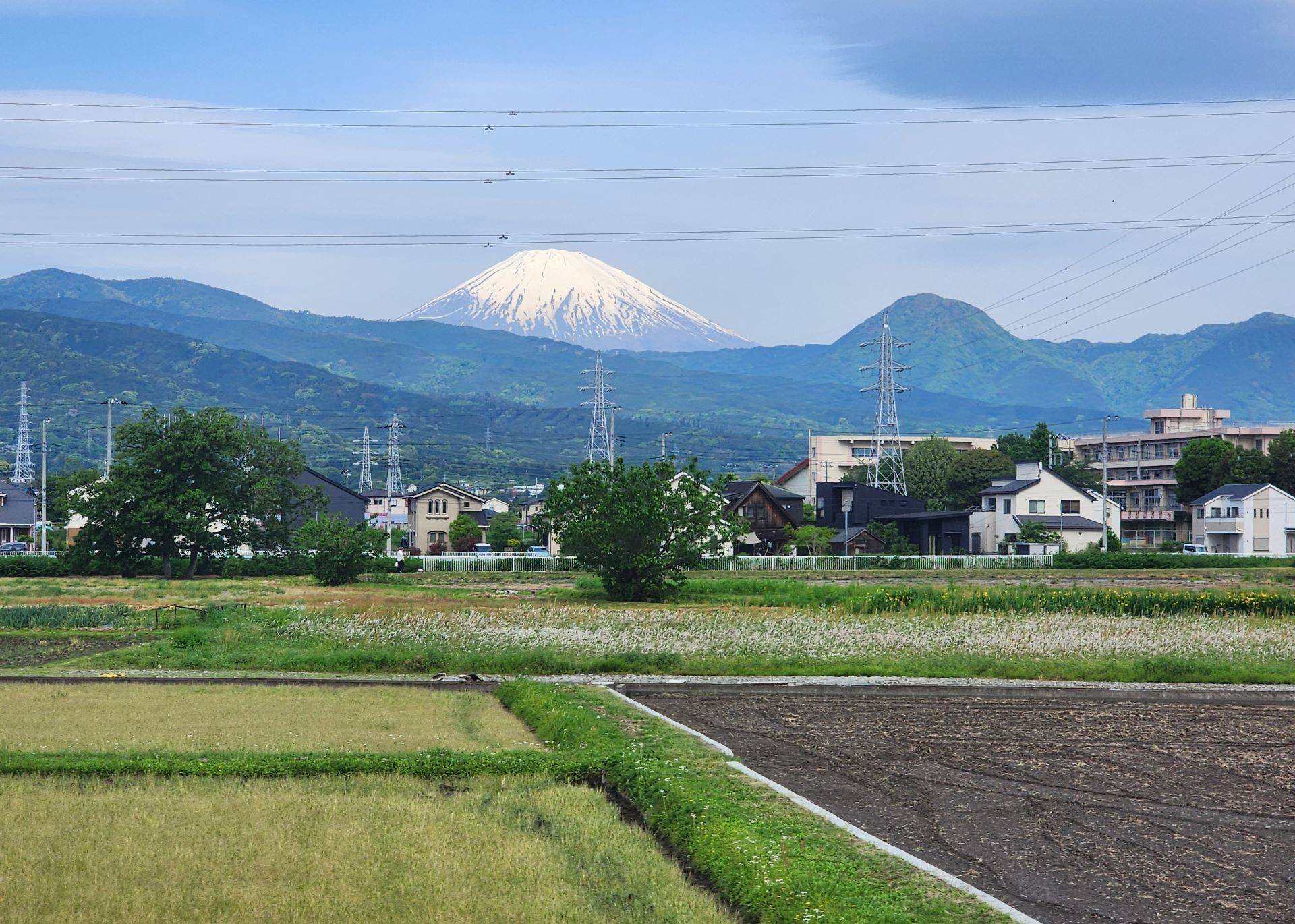
Mount Fuji views
Hakone sightseeing
Lunch in Hakone
Hakone to Tokyo
Dinner in Tokyo
Stay: Shinjuku, Tokyo
Alternative: Stay overnight in Hakone and return to Tokyo on Day 12.
Day 12: Tokyo
We spent another full day exploring Tokyo, visiting some of the city’s historic neighborhoods and popular attractions.
Senso-ji Temple - Asakusa streets
Kaminarimon Gate
Nakamise Shopping Street
Asakusa streets and shopping
Lunch in Asakusa
Meiji Jingu
Omotesando
Dinner
Tokyo at Night
Stay: Shinjuku, Tokyo
Day 13: Tokyo – Kamakura – Tokyo
For our final full day of sightseeing, we took a day trip from Tokyo to Kamakura. The city offered a completely different experience from modern Tokyo, with historic temples, shrines and the famous Great Buddha.
Tokyo to Kamakura (local train)
Tsurugaoka Hachimangu
Komachi Street
Lunch in Kamakura
Hasedera Temple
Great Buddha of Kamakura
Kotoku-in Temple
Kamakura streets
Enoshima (Walk the bridge to get to Enoshima Island)
Kamakura to Tokyo
Final dinner in Tokyo
Evening in Shinjuku
Stay: Shinjuku, Tokyo
Day 14: Depart Tokyo
Our 14-day Japan adventure came to an end. After checking out of our hotel in Shinjuku, we made our way to the airport for our flight home.
Check out
Shinjuku to Airport via NEX train
Departure from Tokyo
For the detailed day-by-day posts, we go into much more detail about how we travelled, train and bus routes, timings, tickets, costs, what we saw, and our experience at each attraction-post

Blue Planet Travellers
Cherry Blossom in Kyoto
Cherry Blossom(Sakura) Season in Japan
I can’t have an itinerary for Japan without mentioning cherry blossoms! During cherry blossom season, Japan seems to transform into a sea of pink, with parks, streets, temples, and gardens covered in delicate blooms. The timing varies by region, with blossoms typically appearing in Tokyo and Kyoto from late March to early April, moving north to Tohoku in early to mid April, and reaching Hokkaido, including Sapporo, from late April to early May.
That said, cherry blossom season comes with a significant price premium. Hotels are often much more expensive and can sell out well in advance, and flights and tours can also cost more due to the high demand. Based on what we experienced even during the off-season, Japan is not a particularly cheap destination, food, transportation, and everyday expenses can add up quickly. During peak cherry blossom season, you should be prepared to pay around 1.5 to 2 times more for accommodation and some travel expenses compared with less busy periods. So while seeing the sakura is incredible, don’t feel bad if your trip doesn’t fall during cherry blossom season, Japan has plenty to offer year round, and visiting outside the peak can make your trip much easier on the budget.

Blue Planet Travellers
Daitokuji Temple – Bonsoi Garden – Kyoto
Where to Stay in Japan
Where you stay in Japan can become part of the experience itself. During our travel, we were amazed by the level of hospitality we experienced in Japanese hotels. From the warm welcome at check-in to the thoughtful details provided for guests, the service and attention to detail made our stays memorable.
Many hotels provide yukatas or traditional clothing for guests to use, allowing you to experience a small part of Japanese culture even after returning to your hotel. These are the kinds of details that you may miss when staying in apartments. Some hotels also offer complimentary activities for guests during their stay, adding another layer to the experience. The hotels we stayed at offered different activities each day, including making ramen from scratch, playing traditional games like spinning tops, and even learning how to wear a kimono. These activities usually ran for about an hour and were a great way to experience something unique without having to travel anywhere.
We had already planned our itinerary and unfortunately could not fit these activities into our schedule. However, for families travelling with children, these hotel activities can be a wonderful way to take a break between sightseeing days while still experiencing something uniquely Japanese.
You can explore hotels across Japan here.
Another experience worth considering is staying in a traditional ryokan, especially one with an onsen. A ryokan stay offers a deeper experience of Japanese hospitality, with traditional rooms, provided yukatas, Japanese meals, and a slower pace that allows you to experience customs that have been preserved for generations. Staying at an onsen ryokan can be one of the most memorable experiences in Japan, combining relaxation with a deeper connection to Japanese traditions.
You can explore ryokan stays in Japan here.
For those who want to experience Japan’s famous hot spring culture, an onsen stay is another wonderful option. The experience is not only about bathing in natural hot springs but also about enjoying the peaceful surroundings, traditional atmosphere, and Japanese approach to relaxation.
You can explore onsen stays in Kobe Japan here and Onsen stays in Hakone here
For us, choosing accommodation was not just about finding a place to sleep, it was about adding another layer to our Japan experience. We found that staying in hotels, ryokans, or onsen accommodations offered much more than we expected, often at prices that were comparable to apartments in similar locations. While ryokans and onsen stays can cost more than regular hotels, they offer a unique experience that is worth considering during your journey through Japan.
If experiencing Japan beyond sightseeing is your goal, choosing accommodation that reflects Japanese hospitality can make your trip even more memorable.

Umeda Sky Building Observatory – Osaka
Tours we Recommend
- TOKYO:
- Sumo Show:
- A sumo show is a great way to experience one of Japan’s most iconic traditional sports up close. You’ll get to watch sumo wrestlers demonstrate their strength and technique while learning about the history, traditions, and rituals behind the sport.
- If you have the option to choose your time slot, we recommend booking the 2–3 p.m. slot, as this is when professional sumo wrestlers participate in the show. If your schedule allows, definitely pick this time for a more authentic experience.
- It’s a fun and engaging experience, especially if you’re looking for something beyond the usual sightseeing. Some shows also include opportunities to interact with the wrestlers and take photos, making it a memorable cultural experience.
- Shinjuku Sumo Show & Experience with Photo
- Shibuya Sumo Show with Experience & Photo
- Tokyo – Skytree: Tokyo Skytree is one of the best places to enjoy panoramic views of Tokyo from above. When booking your tickets, make sure to select access to both the Tembo Deck and Tembo Galleria, which takes you higher up toward the summit for an even more impressive view.
- We recommend visiting around sunset or in the evening. This way, you can enjoy the city in daylight, watch the sunset, and then see Tokyo light up after dark. The nighttime city view is spectacular and makes the experience even more memorable.
- Tokyo Skytree Admission ticket
- Hakone – Day Trip:
- Hakone is a great day trip from Tokyo if you want to experience Japan’s beautiful mountains, lakes, hot springs, and views of Mt. Fuji. You can do it on your own, but there are several different trains, buses, boats, and the Hakone Ropeway to coordinate.
- If you’re travelling with kids or want to avoid the hassle of figuring out the transportation between all the stops, an organized Hakone tour is worth considering. It usually combines the major highlights into one day and makes it much easier to enjoy the area without worrying about connections.
- Kamakura and Enoshima:
- Kamakura is an easy day trip from Tokyo and can be done on your own. However, based on our experience, we actually found that doing it independently ended up costing us more than some of the organized tours.
- With the transportation, multiple train tickets, and getting between the different sights, the savings weren’t really worth the extra planning. So, we highly recommend booking a Kamakura and Enoshima day tour instead, it can be more convenient and, in some cases, even more cost-effective than arranging everything yourself.
- If you prefer to have everything organized for you, this Kamakura trip from Tokyo is a great option.
- KYOTO / OSAKA:
- Tea Ceremony:
- When booking a tea ceremony, the authenticity and ambience of the place matter a lot. If the tea ceremony takes place in a ryokan, with traditional tatami floors and a beautiful view of the garden, it really adds to the experience.
- Most tea ceremonies also include a kimono dressing and rental experience. They let you choose and help you put on a kimono, and style your hair to match the outfit. You then participate in the tea ceremony wearing the kimono.
- The best part is that you can usually keep the kimono for the rest of the day, until around 4 or 5 p.m. You can walk around, explore the area, and take pictures while wearing it.
- So, with one experience, you essentially get to enjoy two authentic Japanese experiences, a traditional tea ceremony and wearing a kimono.
- Our Choice:
- Maikoya Nishiki: Kimono Tea Ceremony with Matcha and Sweet
- If you have already rented a kimono and experienced wearing one elsewhere, then we recommend this tea ceremony, as it does not include kimono rental Tea Ceremony in a Garden Tea House near Kiyomizu-dera
- KYOTO / OSAKA:
- Hiroshima & Miyajima Island: You can absolutely do Hiroshima and Miyajima on your own. However, if you’re travelling with kids, we recommend considering an organized tour, as there are several bookings and connections to manage throughout the day.
- If you plan it independently, you’ll need to book the Shinkansen from Osaka to Hiroshima, arrange for the ferry between Hiroshima and Miyajima. Coordinating all of this with kids can add quite a bit of hassle to an already long day.
- For a smoother experience, this organized day trip from Osaka takes care of the transportation and logistics for you, allowing you to focus on enjoying Hiroshima and Miyajima.
- You can join this tour Hiroshima Miyajima from either Osaka or Kyoto, depending on where you’re staying.
- OSAKA – Dotonbori:
- The boat ride through Dotonbori takes you along the canal, surrounded by neon-lit buildings on both sides and the lively energy of Osaka’s city centre. We recommend doing this at night, when the colourful neon signs light up the area and create a completely different atmosphere. It’s a fun way to experience Dotonbori from a different perspective while taking in the vibrant nightlife.

Gotokuji Temple – Tokyo

Hasedera Temple Kamakura
Leave a Reply